Stages Of Disruption

Innovation and Disruption are main reasons for the growth and development technology. If the products which are designed perfectly without any fault and no chance of disruption then there could no scope of better technological growth or expansion in that area.
Disruption is a critical element of the evolution of technology — from the positive and negative aspects of disruption a typical pattern emerges, as new technologies come to market and subsequently take hold.
Disruption is whether it is inevitable or preventable.
Value exists in identifying the response and emotions surrounding each phase of the innovation pattern, because, as with disruption itself, the actions/reactions of incumbents
and innovators play important roles in how parties progress through innovation.
Four stages of disruption :
- Disruption of incumbent
- Rapid linear evolution
- Appealing convergence
- Complete reimagination
Stage 1 : Disruption of incumbent
- The moment of disruption starts when the conversation begins about it. A new product & services replace some of the existing ones.
- If you have business around a successful existing product then you have a choice whether to follow the new technology or continue with your product. But if you are making a new product you are betting on current business & the new disruptive technology is generally bet on by new companies because existing business has more downside by betting on new technology as they doubt the new product whether it will be accepted by market or not, which is said to be as innovators dilemma.
- Most incumbents think new technology is inferior, inefficient, expensive & fail to satisfy needs. So mainly incumbent’s reaction during this phase is ignorant or they are in a state of denial.
Stage 2 : Rapid linear evolution
- Once rapid adoption of the new product starts the focus on these products increases. In this phase product creators are still disruptors following their vision. The incumbents continue with their existing products & disruptors starts improving the product so that they can hit large markets.
- For incumbent leaders, it seems like you are in the wrong direction & throwing good money after bad. This means you are in the right direction & you have started a new fight.
Stage 3 : Appealing Convergence
- As the process of market redefinition starts, the demand for the replacement of incumbent technology with new technology increases. Now the new technology starts evolving rapidly & business starts getting saturated & turns into a mature business.
- now the disruptor tries to capture the consumer which did not move to their product & stuck with incumbents’ product.
Stage 4 : Complete Reimagination
- Unique stage in this Classification because of the responses are received from both the legacy incumbent and the disruptor.
- The last stage of technology disruption is when a category or technology is reimagined from the ground up. while other can see that as another Disruption.
Phases of Disruption in Practice:
- Digital Imaging
- Retail Purchasing
- Travel Booking
- Portable Music
- Urban Transport
- Productivity Tools
- Movie Viewing
- Messaging / Communication Apps
- Network Infrastructure
Other Blogs
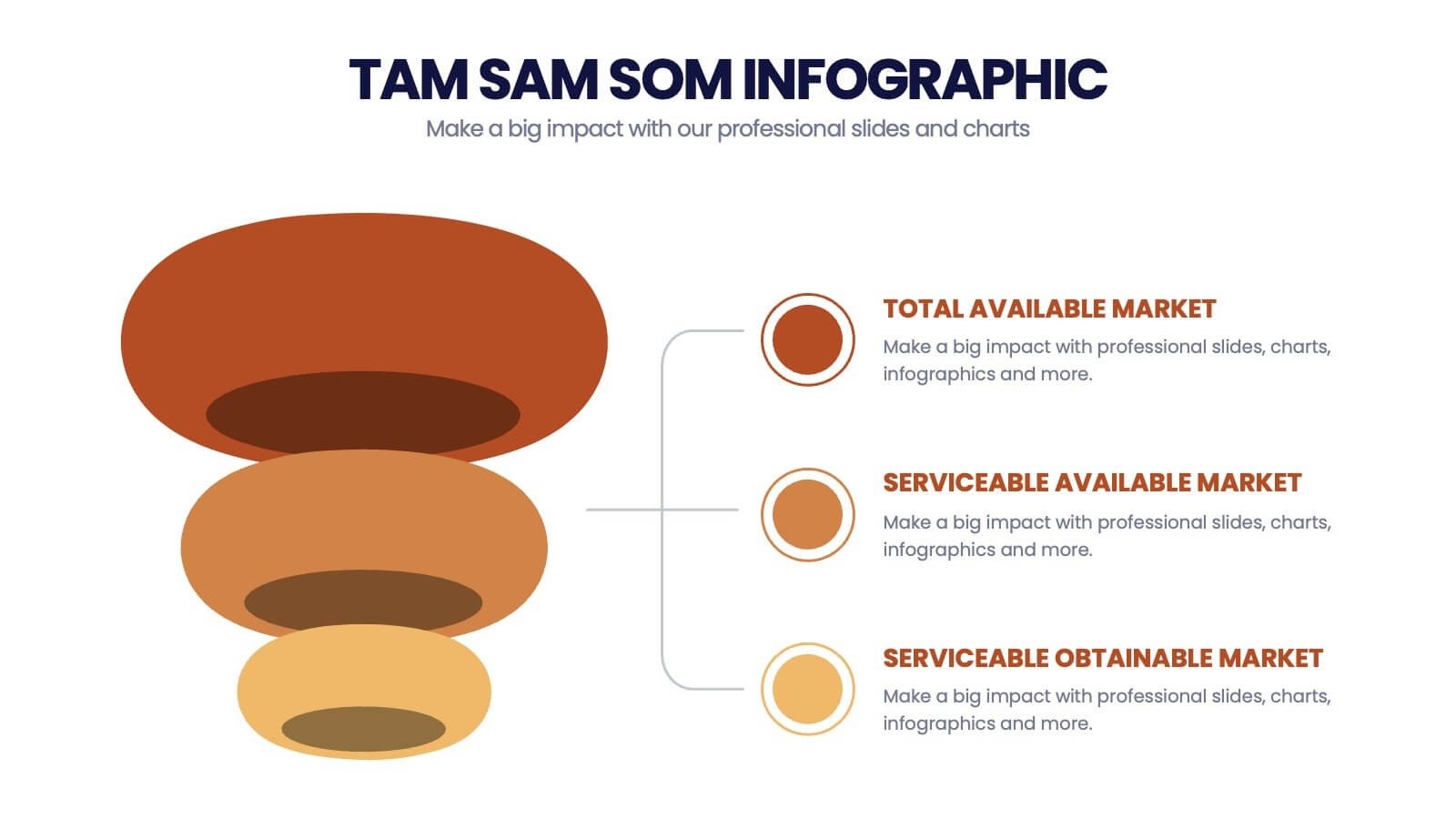
How to calculate your total addressable market and make a great TAM slide for investors.
Read More