India, Jio , And The Four Internets
US MODEL
- laissez-faire, there no interference of the govt entity.
- downsides to this approach: the Internet’s lack of friction both leads to Aggregators dominating markets and creates communities both good and bad.
PROS.
- Large U.S. tech companies operate freely in the U.S., giving them a large and profitable user base to fund expansion abroad.
- New U.S. tech companies face relatively few barriers to entry, particularly in terms of regulation of content or data collection.
- The U.S. government collects the vast majority of taxes from these U.S. companies, including from revenue generated abroad, and also sees the overall U.S. view of the world exported via U.S. tech companies, while also having access to the data of non-U.S. citizens.
- U.S. citizens operate with a high degree of freedom online, although there are minimal restrictions on the collection of the data generated from doing so by private companies.
- Non-U.S. citizens operate with a high degree of freedom online, although there are minimal restrictions on the collection of the data generated from doing so by private companies or the U.S. government.
- Non-U.S. companies are free to operate in the United States without restriction, and in other countries that follow the U.S.’s approach.
CONS
- Non-U.S. governments have limited control over U.S. tech companies, limited access to their revenues, and limited control over the spread of information.
CHINA MODEL
- China model has full control over the information. which is driving force of this model.
- China has restricted access to the Western service at the network level by means of sensors restricting access within china.
- Internet company of the China had their own thousand’s of sensor to restrict access to Western service.
- Economic benefit as no competition of foreign players in the market as well as this can lead to the innovation of the new product.
- Model is not suitable for the all the countries.
- China has the huge base market as compare to other countries like Iran and other similar small countries.
- It makes very difficult ,almost impossible for foreign player to capture China market in this sector.
EUROPEAN MODEL
- Many regulations like GDPR, copyright directive along with striking down of privacy shield framework.
- European Union Court of Justice makes a compelling case that the ability of the U.S. government to collect data from non-U.S. citizens is a serious privacy issue.
- The number of alternatives to established incumbents are to be decreased, relative to the U.S.
- European competitors will fill in the gap.
- Any company that wishes to achieve scale needs to do so in its home market first before going abroad, but it seems far more likely that Europe will make the most sense as a secondary market for companies that have done the messy work of iterating on data and achieving product-market fit in markets that are more open to experimentation and impose less of a regulatory burden.
- Higher costs mean you need a greater expectation of success, which means a proven model, not a speculative one.
- From the E.U.’s perspective, this approach doesn’t really have any upside for European governments. That’s the thing with rule by regulation: without a focus on growth, it is harder to create win-win situations.
- Non-U.S. governments have complaints about U.S. tech companies as they collect data without the user’s permission and may use this data to influence public opinions politically, socially, and culturally in the wrong way.
INDIAN MODEL
- Unique model in the world.
- India has a huge number of users.
- No burden on foreign companies when it comes to digital goods or products in India.
- India has kept a much tighter leash when it comes to the physical layer of technology.
- This includes strong tariffs on electronics and a ban on foreign direct investment in areas like e-commerce.
- India has always been one of the most challenging markets in terms of Internet access and logistics.
- It is one of the most attractive markets in the world for both U.S. and Chinese tech companies, which have largely saturated their home markets.
-
This has led to a regular number of conflicts between foreign tech companies and
Indian regulators, such as:
- Facebook’s attempts to introduce Free Basics or WhatsApp Payments.
- Increasing restrictions on Amazon and Flipkart’s e-commerce operations.
- The outright banning of TikTok on national security concerns.
JIO BET
- Dominant Telecom network in India
- Jio was a bet on zero marginal costs — or, at a minimum, drastically lower marginal costs than its competitors.
- optimal strategy was —to spend a massive amount of money up front and then seek to serve the greatest number of consumers in order to get maximum leverage on that up-front investment.
- spend money up front, then make it up on volume because of a superior cost structure enabled by the zero-marginal nature of technology.
- In May, Silver Lake Partners invested $790 million for a 1.15% stake, General Atlantic invested $930 million for a 1.34% stake, and KKR invested $1.6 billion for a 2.32% stake.
- In June, the Mubadala and Adia UAE sovereign funds and Saudi Arabia sovereign fund invested $1.3 billion for a 1.85% stake, $800 million for a 1.16% stake, and $1.6 billion for a 2.32% stake, respectively; Silver Lake Partners invested an additional $640 million to up its stake to 2.08%, TPG invested $640 million for a 0.93% stake, and Catterton invested $270 million for a 0.39% stake. In addition, Intel invested $253 million for a 0.39% stake.
- In July, Qualcomm invested $97 million for a 0.15% stake, and Google invested $4.7 billion for a 7.7% stake.
- with this fund reliance had paid the money they borrowed to build out Jio
- What gives Jio a chance are three important differences from telecom efforts in other market.
- First, Jio has created a huge portion of its addressable market; whereas a Verizon in the U.S., or a NTT DoCoMo in Japan was seeking to offer services on top of a competitive telecom market, Jio is the only option for a huge number of Indians (and for those that have options, Jio is so much cheaper because of its IP-based network that it can afford the extra costs).
- Second, instead of seeking to usurp companies like Facebook or Google that already have major marketshare in India, Jio is partnering with them.
- Third, Jio is positioning itself as an Indian champion, and the lynchpin of the Indian model.
- Jio leverages its investment to become the monopoly provider of telecom services in India.
- Jio is now a single point of leverage for the government to both exert control over the Internet, and to collect its share of revenue.
- Jio becomes a reliable interface for foreign companies to invest in the Indian market; yes, they will have to share revenue with Jio, but Jio will smooth over the regulatory and infrastructure hurdles that have stymied so many
- Jio brought the Internet to hundreds of millions of Indians that would never have had access, and the benefits of that investment are only going to increase as Jio’s services and partnerships come on line. On the other hand, locking in a monopolistic player, particularly in the context of a government that has shown a desire for more control over the flow of information is a real downside.
What differs Europe’s Internet from the U.S., Chinese, or Indian visions is, well, the lack of vision. Doing nothing more than continually saying “no” leads to a pale imitation of the status quo, where money matters more than innovation.
Author:
Vins Rafaliya
Other Blogs
Vins Rafaliya
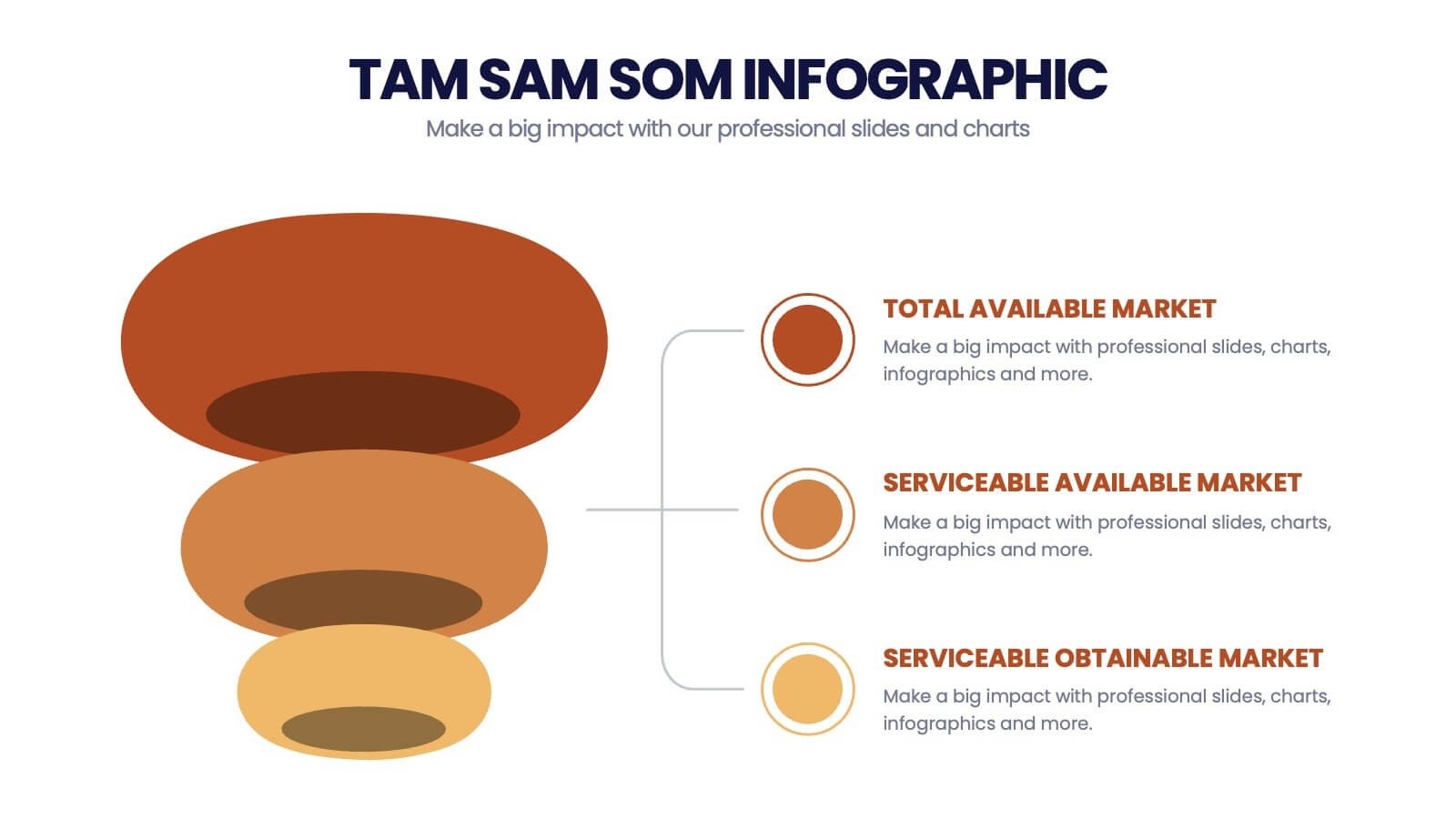
How to calculate your total addressable market and make a great TAM slide for investors.
Read More